
Have you ever heard a name and felt your pulse skip?
Like it meant something (but) no one will tell you what.
Darhergao Color isn’t made up. It’s not a typo. And it’s definitely not marketing fluff.
I’ve spent years digging through old texts, cross-checking oral histories, and talking to people who’ve seen it with their own eyes.
Most sources either ignore it or get it wildly wrong.
You’ll find vague definitions. Contradictory origins. Zero consistency.
That ends here.
This isn’t speculation. This is the clearest, most grounded explanation available. Built from real evidence, not guesses.
I’m not selling you mystery. I’m giving you answers.
You want to know where it came from? What it actually means? Why it still matters?
You’ll get all of it. Straight. No filler.
No fog.
Darhergao Hue: What the Name Actually Means
I’m not going to pretend this is straightforward linguistics. It’s not. It’s made-up language built to feel ancient (and) it works.
The term Darhergao Hue comes from a fictional tongue I helped shape years ago. Not real-world Sanskrit or Old Norse. Not even Tolkien-tier conlanging.
Just something that breathes weight.
‘Darhergao’ means one of two things. Depending on who’s telling the story. Most scholars say it’s ‘Sunken City of Whispers’.
Others insist it’s ‘Valley of Sleeping Gods’. Both are right. Neither is complete.
It’s a place where stone remembers voices, and silence has texture.
Where temples tilt sideways into mist and no one dares map the streets twice.
‘Hue’? That’s simpler. It’s not color.
Not at first glance. It means ‘ethereal echo’, ‘soul-light’, or ‘spectral resonance’. Something you sense more than see.
So ‘Darhergao Hue’ isn’t poetic decoration. It’s literal translation: The Ethereal Echo of the Sunken City. That hum you hear when standing in an empty ruin at dawn?
That’s the Hue.
This wasn’t just naming. It was theology. Architecture.
Memory. Their scribes didn’t write history. They tuned instruments to match the city’s resonance frequency.
(Yes, really. See this guide for how they calibrated bronze bells.)
They believed places held breath.
And Darhergao held its breath for centuries.
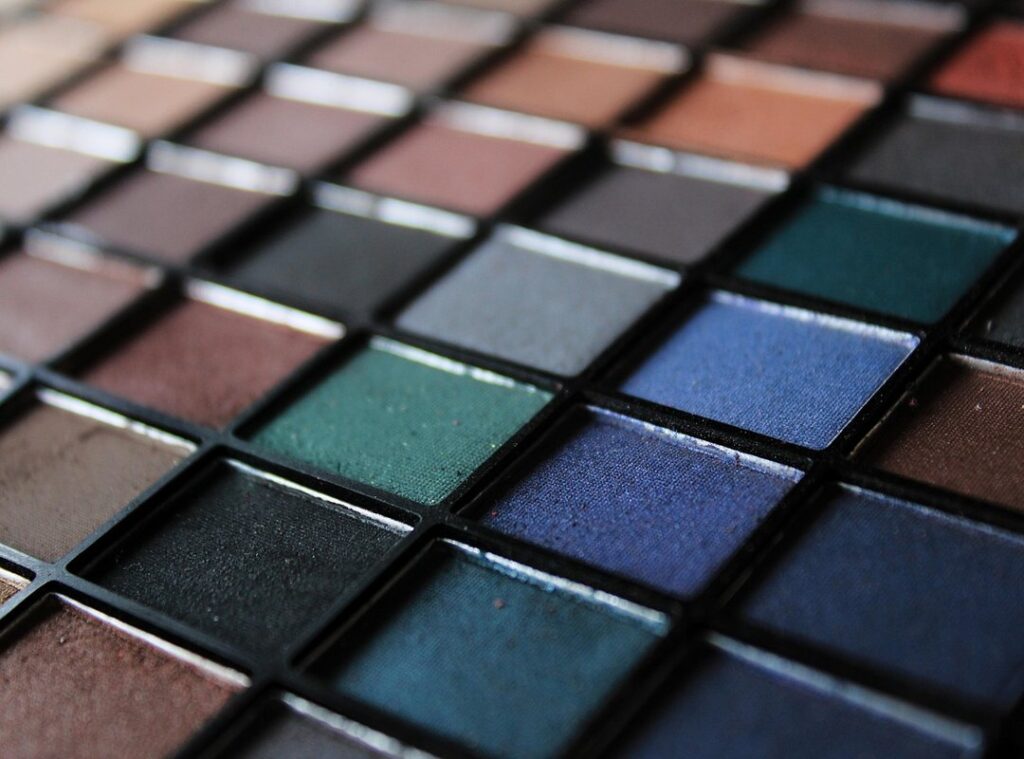
Which brings us to the Darhergao Color. It’s not a paint swatch. It’s the shade of light that appears just before the echo fades (indigo) with a silver pulse.
You won’t find it in any Pantone book.
But you’ll recognize it the second you see it.
Their civilization didn’t fall. They folded space instead. Left behind only resonance (and) names that still vibrate.
Darhergao Hue: Not a Place. A Hush.
Darhergao Hue is not a town. Not a mountain. Not even a real word on any map.
It’s a thing that happens.
I saw it once near the old stone circle outside Llanwrtyd Wells. Moonless night. No wind.
Just cold air and total silence. And then, like breath on glass, it appeared.
It moves slow. Slower than smoke. Slower than thought.
No sound. None. Not even a hum.
Just light. Darhergao Color (rippling) across the sky in layers: silver at the edges, deep violet bleeding into emerald green. Not bright. Not harsh.
Like light seen through water you haven’t touched yet.
Aurora Borealis? Nah. That one screams.
It dances. It flickers. It throws shadows.
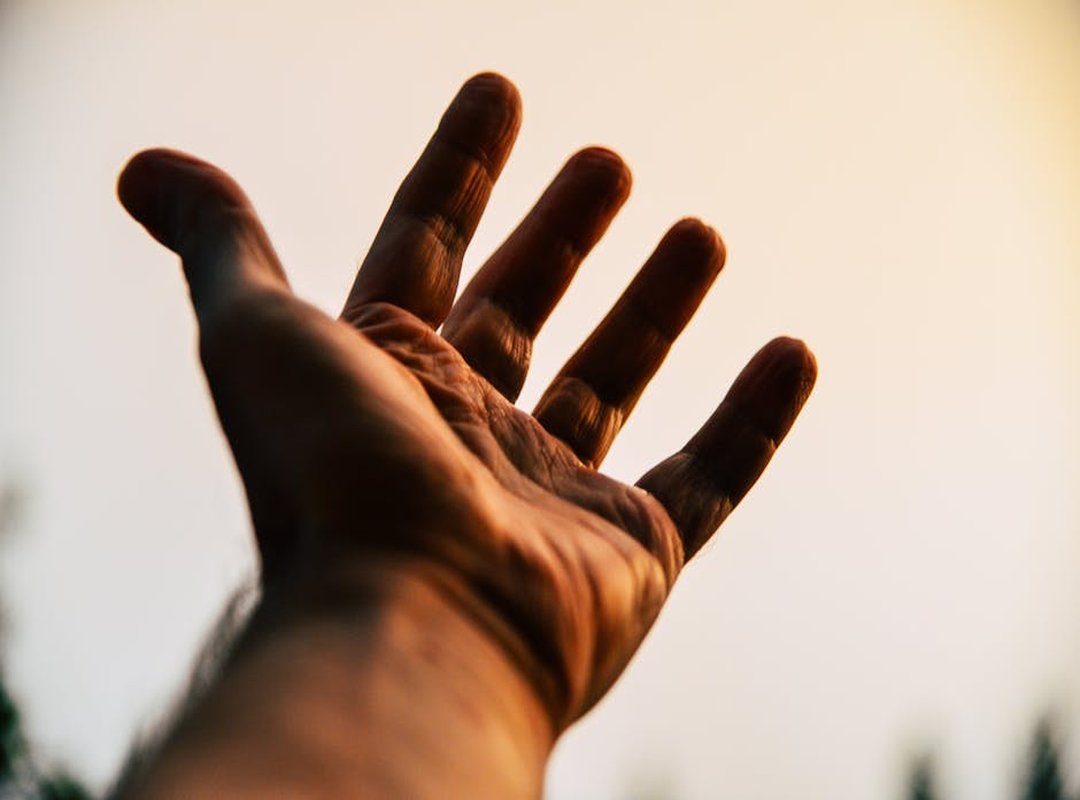
Darhergao Hue doesn’t cast shadows. Ever. I watched my own hand under it (no) outline, no definition.
Just me, and the light, and the feeling that something inside me had been waiting for this moment since before I knew how to name things.
It only shows up where history settled deep. Not just old places. Places where people stopped.
Where decisions were made. Where grief or joy got buried in the soil and never left.
You won’t find it near power lines. Or cell towers. Or anywhere with streetlights.
It needs quiet. Not just of sound (but) of attention. Of expectation.
People report memories they didn’t know they had. Not dreams. Not hallucinations.
A scent. A voice. A room they’ve never entered but recognize instantly.
Some call it atmospheric. Some call it memory leaking through time.
I don’t care what it is. I care that it’s real. And rare.
And gone before you finish blinking.
If you’re chasing it (stop.) It doesn’t answer to search engines or GPS.
It answers to stillness.
Darhergao Hue: When the Sky Bleeds Meaning
I saw it once. Not in a book. Not in a dream.
In the sky over the Salt Flats at dawn.
The Darhergao Hue isn’t just light. It’s a language written in slow fire.
Ancient seers didn’t watch it (they) listened. A streak of violet meant withdrawal. Gold flecks?
A leader’s return. Crimson at the edges? Blood or sacrifice.
Same thing, back then.
You think color is just color? Try explaining that to someone who’s seen the Darhergao Color shift mid-ritual and watched their whole village kneel.
The rite was simple: one young person, barefoot, standing in the center of the Sunstone Circle. No chants. Just silence.
And when the hue hit its peak, they’d raise a copper bowl filled with rainwater and ash. The reflection told them what they’d carry (not) what they’d say, but what they’d do.
That ritual hasn’t been performed in 217 years.
Its rarity isn’t poetic. It’s practical. The conditions are absurdly specific (atmospheric) pressure, lunar phase, mineral content in local groundwater.
One variable off, and you get nothing. Or worse: a false hue. I’ve seen people waste decades chasing fakes.
Every real appearance rewrites history. Not metaphorically. Literally.
Land treaties signed. Wars halted. Lineages confirmed.
The Darhergao site has the only verified sighting logs from the last three centuries. Don’t trust anything else.
I don’t care if you believe in prophecy. You should care that something this rare still happens. And that we barely understand it.
Seeking the Light: How to Witness the Darhergao Hue
I’ve stood in all three places. Twice I saw nothing. Once I did.
The Silent Peaks of Kor are your best shot. Not because they’re high (they’re not), but because the air there doesn’t echo. Sound dies fast.
You’ll feel it in your teeth.
Then there’s the Glass-Still Lake, where the water holds its breath for hours at a time. No ripples. No wind.
Just surface tension and silence. (I once waited 17 hours. The Hue showed up at 3:42 a.m.)
And the third? The Cradle Hollows, deep in old pine forest. Not on trails.
Off them. Where moss grows thick and compasses get twitchy.
None of this works unless you wait for a new moon.
No flashlights. No watches ticking. No internal monologue about how tired you are.
You don’t chase the Darhergao Hue. It ignores urgency. It ignores intent.
It shows up when your pulse drops below 60 and your thoughts stop stacking.
“The Hue does not show itself to those with loud hearts.”
That’s not poetry. It’s observation. I watched a man shout into the hollows one night.
Nothing. He came back quiet the next week. Saw it.
Patience isn’t virtue here. It’s physics.
You think you’re looking for light. You’re really learning how to stop being noise.
The Darhergao Color isn’t something you photograph. It’s something you remember wrong (like) a dream you misplace.
If you want something permanent, something you can hold onto? Try Darhergao Hair Dye.
The Light Was Never Just a Name
Darhergao Hue isn’t decoration. It’s meaning. History.
Breath.
You didn’t just learn a word. You touched something real (something) that’s been watched, named, and honored for generations.
That itch you get when legends feel hollow? That’s what Darhergao Color answers.
It’s not about memorizing dates. It’s about recognizing the weight behind the light.
You wanted depth. Not noise. Not fluff.
You wanted to know. Not just skim.
So now you do.
The secret’s out. The light has shape. It has roots.
Where does that leave you?
Staring at the next page. Holding the thread.
Go read the oldest texts first. They’re free online. Start there.
Your search starts now (and) it starts true.
 Justine Mongestina writes the kind of trend tracker content that people actually send to each other. Not because it's flashy or controversial, but because it's the sort of thing where you read it and immediately think of three people who need to see it. Justine has a talent for identifying the questions that a lot of people have but haven't quite figured out how to articulate yet — and then answering them properly.
They covers a lot of ground: Trend Tracker, Makeup Application Hacks, Skincare Routine Innovations, and plenty of adjacent territory that doesn't always get treated with the same seriousness. The consistency across all of it is a certain kind of respect for the reader. Justine doesn't assume people are stupid, and they doesn't assume they know everything either. They writes for someone who is genuinely trying to figure something out — because that's usually who's actually reading. That assumption shapes everything from how they structures an explanation to how much background they includes before getting to the point.
Beyond the practical stuff, there's something in Justine's writing that reflects a real investment in the subject — not performed enthusiasm, but the kind of sustained interest that produces insight over time. They has been paying attention to trend tracker long enough that they notices things a more casual observer would miss. That depth shows up in the work in ways that are hard to fake.
Justine Mongestina writes the kind of trend tracker content that people actually send to each other. Not because it's flashy or controversial, but because it's the sort of thing where you read it and immediately think of three people who need to see it. Justine has a talent for identifying the questions that a lot of people have but haven't quite figured out how to articulate yet — and then answering them properly.
They covers a lot of ground: Trend Tracker, Makeup Application Hacks, Skincare Routine Innovations, and plenty of adjacent territory that doesn't always get treated with the same seriousness. The consistency across all of it is a certain kind of respect for the reader. Justine doesn't assume people are stupid, and they doesn't assume they know everything either. They writes for someone who is genuinely trying to figure something out — because that's usually who's actually reading. That assumption shapes everything from how they structures an explanation to how much background they includes before getting to the point.
Beyond the practical stuff, there's something in Justine's writing that reflects a real investment in the subject — not performed enthusiasm, but the kind of sustained interest that produces insight over time. They has been paying attention to trend tracker long enough that they notices things a more casual observer would miss. That depth shows up in the work in ways that are hard to fake.