
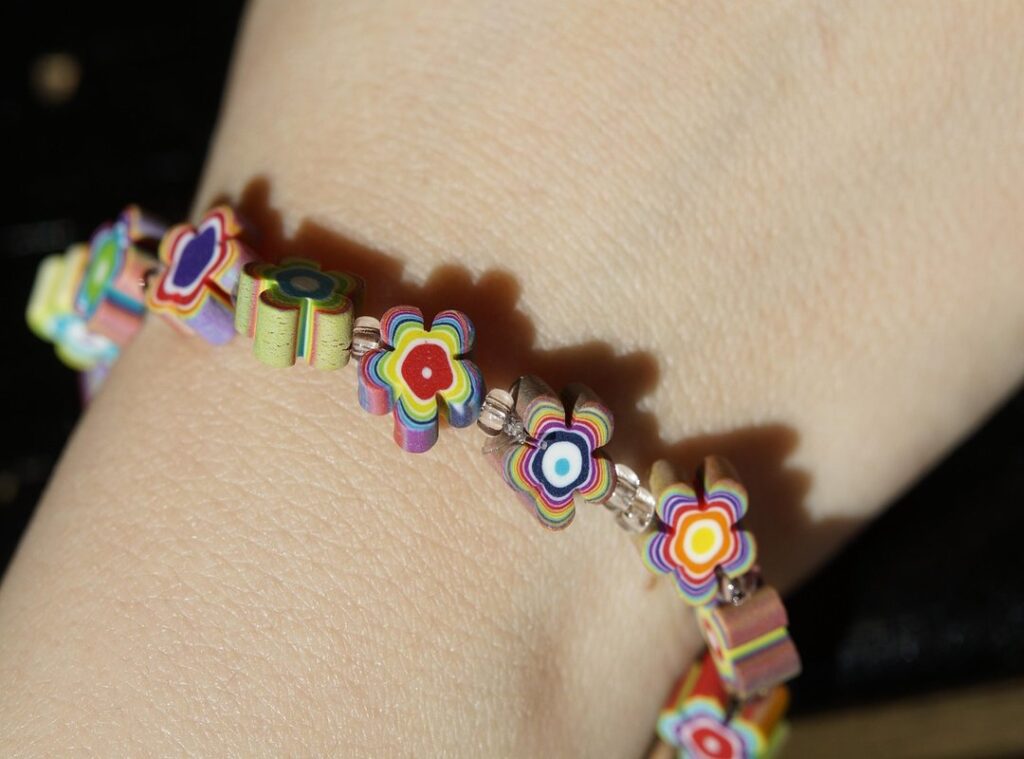
Imagine having a tiny zoo right on your desk, filled with adorable animals you made yourself. If you’re searching for fimo klei voorbeelden dieren, you’ve come to the right place. I’m here to show you not just photos, but simple, step-by-step ideas for creating everything from easy beginner animals to more detailed creatures.
Fimo polymer clay is perfect for this craft. It’s vibrant, easy to use, and durable after baking. By the end of this article, you’ll have the confidence and ideas to start your very first Fimo animal project.
Are you ready, and let’s dive in.
Getting Started: What You Need to Know About Fimo Clay
Fimo clay is a type of polymer clay that hardens permanently in a standard home oven. It’s perfect for creating detailed and durable models, like fimo klei voorbeelden dieren.
When it comes to model making, there are three main types of Fimo you should know about:
- Fimo Soft: Great for beginners, it’s easy to work with and comes in a variety of colors.
- Fimo Professional: Ideal for those who need fine details and precision. It’s a bit firmer and more durable.
- Fimo Effect: This one adds a touch of sparkle or texture, like glitter, metallic, or stone looks.
To get started, you’ll need a few essential tools. A clean work surface, like a ceramic tile or glass, is a must. You’ll also need a craft knife or blade, an acrylic roller, and access to an oven.
Conditioning the clay is crucial, and knead it until it’s soft and pliable. This step helps avoid cracks and makes the clay easier to shape.
Baking is where the magic happens. Make sure to follow the temperature and time guidelines on the package. This ensures your animal figures are strong and the colors don’t burn.
By choosing the right type of Fimo and following these tips, you’ll be well on your way to creating beautiful and long-lasting models.
Beginner’s Guide: 3 Easy Clay Animals You Can Make Today
If you’re new to Fimo clay, this is the perfect starting point. Let’s focus on animals made from simple shapes like balls, logs, and teardrops.
First up, a Simple Ladybug. Roll a red ball for the body, flatten it slightly, add a smaller black ball for the head, and tiny black dots for the spots. It’s that easy.
Next, a Cute Snail. Roll a long ‘snake’ of clay and coil it up to create the shell. Attach it to a thicker log-shaped body with two small antennae.
The simplicity is charming.
Finally, a Wiggly Caterpillar. Create this by rolling several small, colorful balls of clay and pressing them together in a line. Add a slightly larger ball for the head.
The more colors, the merrier.
fimo klei voorbeelden dieren are a great way to get started. Don’t worry about perfection. The goal is to get comfortable with handling the clay and understanding how the shapes fit together.
Use a toothpick to add simple details like eyes and a mouth. It’s all about having fun and getting creative.
Level Up: Creating More Detailed Animal Figures
Transition to more complex projects for those who have mastered the basics and want a challenge.
A Sly Fox
Form the teardrop-shaped head, pointed ears, and bushy tail. Blend white and orange clay for the chest and tail tip. This creates a realistic and vibrant look. fimo klei voorbeelden dieren
A Wise Owl
Create a rounded body, and add flattened circles for the eyes. Use a tool like a needle or toothpick to etch feather textures onto the body and wings.
The details make the owl come alive.
A Panda Bear
Assemble separate white and black pieces for the body, legs, arms, and classic eye patches. This gives a clean, distinct look, and it’s all about precision and neatness here.
Wire Armatures for Support
Use wire armatures for animals with thinner legs, like a flamingo or deer. This provides support during and after baking, and it’s a game-changer for stability.
Skinner Blend Technique
The ‘skinner blend’ technique is a simple way to create a smooth gradient of color. Perfect for things like a fish’s scales or a bird’s feathers. It adds depth and realism to your figures.
fimo klei voorbeelden dieren
When you’re ready to take your skills to the next level, try these fimo klei voorbeelden dieren. They offer a great way to practice and refine your techniques.
By comparing these different methods, you can choose the one that best suits your project. Each technique has its own unique benefits, so experiment and see what works for you.
Expert Techniques for Realistic Clay Animal Details
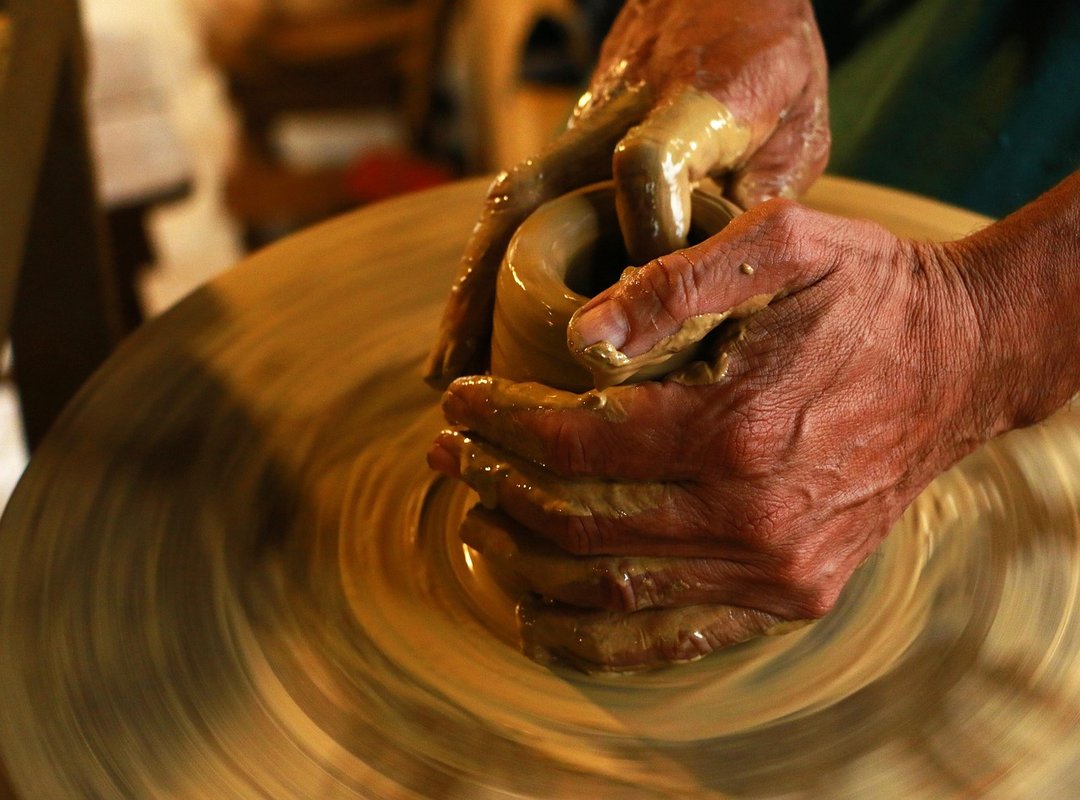
Creating lifelike clay animals is all about the details. Let’s dive into some advanced tips to make your creations look more professional and realistic.
First, let’s talk about fur. Gently scraping the clay surface with a wire brush or a stiff toothbrush before baking can create a natural, textured look. This technique adds that extra touch of realism, making your animals stand out.
Now, onto the eyes. Using tiny black clay beads is good, but if you want a more realistic, glossy look, try glass or plastic beads. They catch the light in a way that makes your animal come alive.
Adding subtle shading and depth is key. Chalk pastels or mica powders, brushed onto the clay before baking, can add blush to cheeks or depth to fur. It’s a small step, but it makes a big difference.
Ever tried fimo klei voorbeelden dieren? It’s a great way to see how others are using these techniques. But remember, the real magic happens when you put your own spin on it.
For attaching small parts like ears or tails, use liquid polymer clay as a glue. It’s strong and reliable. Plus, you can use it to create effects like water or slime, adding another layer of realism to your work.
By combining these techniques, you’ll be able to create clay animals that not only look professional but also have a unique, lifelike quality.
Your First Fimo Animal Project Awaits
Embarking on your first Fimo clay project is an exciting journey. You start by understanding the basics, such as how to condition and shape the clay.
Then, you gradually learn techniques for both simple and complex animal figures. Creating with clay is a fun and rewarding process. Every artist begins with a simple shape.
It’s time to stop just looking at fimo klei voorbeelden dieren and start creating your own. Choose one of the beginner animals mentioned—the ladybug or snail. Grab some clay and spend 30 minutes bringing it to life.
The only limit is your imagination.
 Justine Mongestina writes the kind of trend tracker content that people actually send to each other. Not because it's flashy or controversial, but because it's the sort of thing where you read it and immediately think of three people who need to see it. Justine has a talent for identifying the questions that a lot of people have but haven't quite figured out how to articulate yet — and then answering them properly.
They covers a lot of ground: Trend Tracker, Makeup Application Hacks, Skincare Routine Innovations, and plenty of adjacent territory that doesn't always get treated with the same seriousness. The consistency across all of it is a certain kind of respect for the reader. Justine doesn't assume people are stupid, and they doesn't assume they know everything either. They writes for someone who is genuinely trying to figure something out — because that's usually who's actually reading. That assumption shapes everything from how they structures an explanation to how much background they includes before getting to the point.
Beyond the practical stuff, there's something in Justine's writing that reflects a real investment in the subject — not performed enthusiasm, but the kind of sustained interest that produces insight over time. They has been paying attention to trend tracker long enough that they notices things a more casual observer would miss. That depth shows up in the work in ways that are hard to fake.
Justine Mongestina writes the kind of trend tracker content that people actually send to each other. Not because it's flashy or controversial, but because it's the sort of thing where you read it and immediately think of three people who need to see it. Justine has a talent for identifying the questions that a lot of people have but haven't quite figured out how to articulate yet — and then answering them properly.
They covers a lot of ground: Trend Tracker, Makeup Application Hacks, Skincare Routine Innovations, and plenty of adjacent territory that doesn't always get treated with the same seriousness. The consistency across all of it is a certain kind of respect for the reader. Justine doesn't assume people are stupid, and they doesn't assume they know everything either. They writes for someone who is genuinely trying to figure something out — because that's usually who's actually reading. That assumption shapes everything from how they structures an explanation to how much background they includes before getting to the point.
Beyond the practical stuff, there's something in Justine's writing that reflects a real investment in the subject — not performed enthusiasm, but the kind of sustained interest that produces insight over time. They has been paying attention to trend tracker long enough that they notices things a more casual observer would miss. That depth shows up in the work in ways that are hard to fake.