
Smart Skin Diagnostics Are Mainstream Now
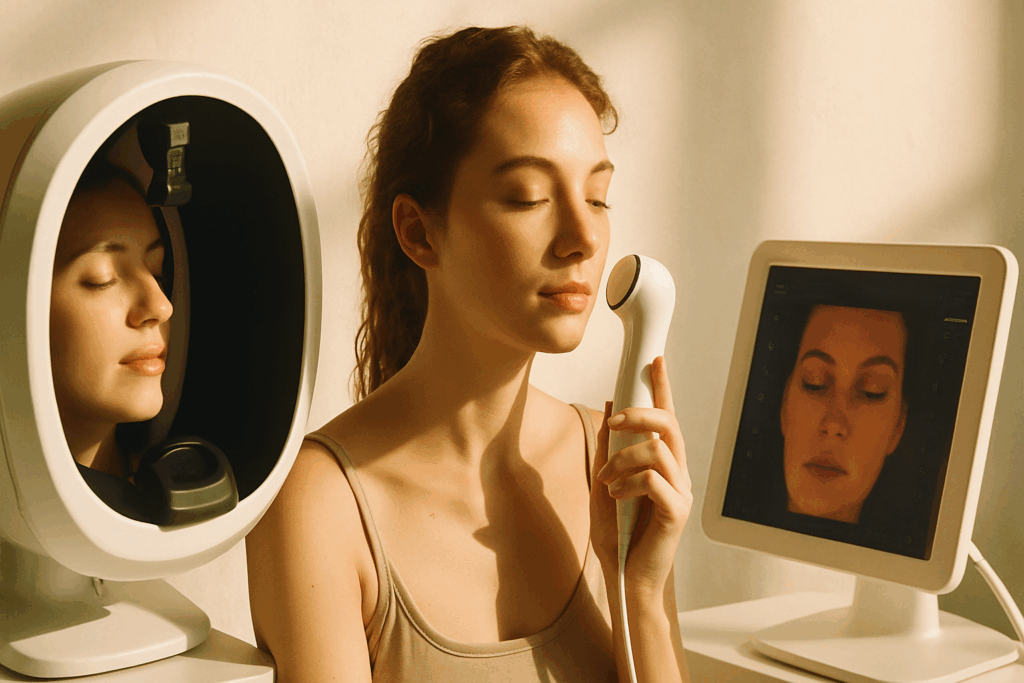
There’s no need to book a dermatologist appointment just to understand your skin anymore. Smartphones are now doubling as pocket labs. Paired with advanced sensors and camera tech, mobile skin diagnostics can track hydration levels, pore size, oil production even hyperpigmentation all in real time. The tech isn’t just flashy, it’s accurate. And it’s reshaping how people approach skincare at the most personal level.
At home devices have leveled up too. What used to be the domain of high end clinics like multi spectral imaging and AI driven skin scoring is now available on your bathroom counter. Tools like smart mirrors and handheld analyzers scan your face, crunch the data, and recommend targeted routines on the spot.
The result? Hyper personalized skincare that adapts, shifts, and evolves with you. Consumers aren’t just idly browsing product aisles anymore they’re bringing hard data into their decisions. Using skin history, lifestyle inputs, and biofeedback, users tailor products and routines that actually work for them, not just some generic skin type.
The bottom line: skincare is no longer one size fits all. The tech’s here, it’s affordable, and the people are ready.
AI Powered Personalization at Scale
The old skincare routine same steps, same product, no matter the day is officially outdated. In 2026, personalization has moved from a buzzword to a baseline expectation. AI now pulls from real time data like humidity levels, UV exposure, sleep quality, and even hormonal fluctuations to suggest exactly what your skin needs today, not last week.
Recommendation engines are getting seriously granular, factoring in your age, environment, and lifestyle shifts to build routines that evolve with you. One size fits all formulas are being replaced by AI generated blends, custom mixed and delivered straight to your door. The result? Fewer wasted products, better results, and an experience that feels tailored down to the molecule.
And it’s not just the products. Daily skincare protocols are becoming living systems dynamic flows that learn from your biofeedback and adjust on the fly. It’s smart, efficient, and designed to keep up with change, not chase after it.
Explore more: AI tools in skincare
Augmented Reality (AR) for Virtual Try Ons
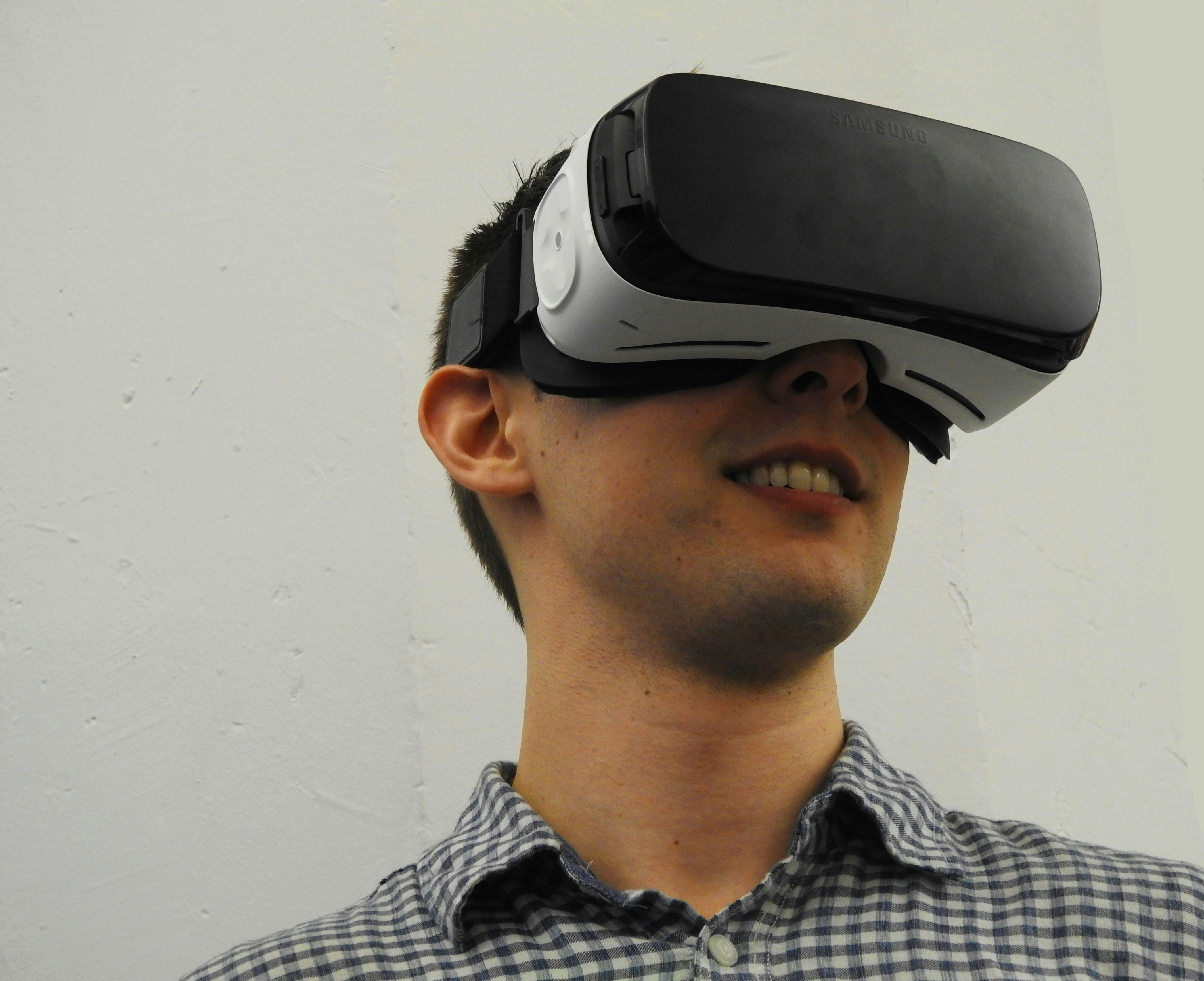
AR isn’t a sideshow anymore it’s front and center in the beauty tech playbook. Users can now swipe through lip shades, foundations, and skincare textures and see results play out in real time, right on their screens. The tech has matured fast. Lag is down. Color matching is accurate. And lighting adjustments make the experience feel surprisingly physical.
This leap in precision has a practical impact: fewer returns, less product waste, and more confidence at checkout. Customers aren’t just guessing anymore they’re committing because they’ve already seen it in action. That’s powerful.
For brands, AR is more than just a conversion tool. It’s about trust. Shoppers spend more time in app when tools educate and engage, and that stickiness builds long term loyalty. Some brands pile on by integrating skin diagnostics or linking AR results with AI routines for a hyper personal fit. Smart, sleek, and increasingly standard.
Sustainable Tech Driven Alternatives
Skincare is shedding its excess. In 2026, sustainability in beauty isn’t a nice to have it’s the baseline. Waterless formulations are gaining serious ground, offering potent products without the dilution or environmental cost. We’re seeing everything from solid cleansers to powder based serums, all designed to cut down on water usage and waste.
Lab grown ingredients are also stepping out of the research lab and into bathroom counters. Think bio engineered collagen that skips the animal sourcing, or fermented botanicals cultivated with precision. These lab crafted components aren’t just ethical they’re stable, scalable, and consistent.
Even packaging is getting smarter. Refillable systems are merging convenience with precision delivery. A growing number of brands now offer cartridges that snap into high tech applicators, distributing the perfect dose while tracking usage. It’s clean, it’s efficient, and it kicks single use habits to the curb.
Eco conscious meets tech forward and consumers are ready.
Gen Z and the Always On Feedback Loop
Gen Z isn’t playing games when it comes to skincare. They expect transparency, customization, and results and they want it all in real time. This generation grew up scanning ingredient labels and reading Reddit threads before buying a moisturizer. Now, they’re driving demand for apps and platforms that offer real control over their routines.
At the center of this shift are in app skin journals that track everything from hydration levels to breakout patterns. These aren’t just for show. Each entry feeds into AI engines that learn the user’s patterns over time. The result? Recommendations that evolve, not just react.
But it’s not just about the individual. The collective data is powering smarter systems across the board. When thousands of users log their experiences, brands and developers get a clearer picture of what’s working and what’s not. That leads to better formulations, training data, and ultimately, better skin for everyone in the loop.
Want to see how it all works under the hood? Check out this overview of AI tools in skincare.
What to Watch in the Next 12 Months
As beauty tech moves into 2026, innovation is shifting from reactive skincare to preventive and predictive wellness. Here are the top breakthroughs redefining skincare’s future:
DNA Based Skincare Matching
Skincare is becoming increasingly bio individual. By analyzing a person’s genetic markers, new tech driven platforms can recommend product formulations tailored to specific skin predispositions.
DNA analysis allows companies to assess collagen breakdown rates, melanin production, and sensitivity risks
Products are matched not just by skin type, but by genetic makeup
Early adopters report longer lasting results with fewer trial and error purchases
Real Time Hormonal Tracking
Fluctuations in hormones can cause everything from breakouts to dryness. Now, skincare brands are integrating data from wearables and smart patches to detect these shifts adjusting care routines as they happen.
Smart patches or devices monitor hormone levels (e.g., cortisol, estrogen, progesterone)
Users receive real time skincare suggestions based on internal conditions
Enables users to prevent issues before they surface on the skin
Predictive Skin Technology
Rather than treating visible concerns, predictive skincare acts early before signs show up. AI models built on months of biometric and usage input can now anticipate needs and recommend upgrades.
Predictive engines use constant skin state monitoring combined with environmental and internal data
Recommendations evolve automatically as user data accumulates
The result: highly optimized, proactive skincare
These innovations signal a new era in beauty where skincare works with your biology, not just your symptoms. Expect more brands to integrate these technologies as personalization and prevention become powerful selling points.
 Justine Mongestina writes the kind of trend tracker content that people actually send to each other. Not because it's flashy or controversial, but because it's the sort of thing where you read it and immediately think of three people who need to see it. Justine has a talent for identifying the questions that a lot of people have but haven't quite figured out how to articulate yet — and then answering them properly.
They covers a lot of ground: Trend Tracker, Makeup Application Hacks, Skincare Routine Innovations, and plenty of adjacent territory that doesn't always get treated with the same seriousness. The consistency across all of it is a certain kind of respect for the reader. Justine doesn't assume people are stupid, and they doesn't assume they know everything either. They writes for someone who is genuinely trying to figure something out — because that's usually who's actually reading. That assumption shapes everything from how they structures an explanation to how much background they includes before getting to the point.
Beyond the practical stuff, there's something in Justine's writing that reflects a real investment in the subject — not performed enthusiasm, but the kind of sustained interest that produces insight over time. They has been paying attention to trend tracker long enough that they notices things a more casual observer would miss. That depth shows up in the work in ways that are hard to fake.
Justine Mongestina writes the kind of trend tracker content that people actually send to each other. Not because it's flashy or controversial, but because it's the sort of thing where you read it and immediately think of three people who need to see it. Justine has a talent for identifying the questions that a lot of people have but haven't quite figured out how to articulate yet — and then answering them properly.
They covers a lot of ground: Trend Tracker, Makeup Application Hacks, Skincare Routine Innovations, and plenty of adjacent territory that doesn't always get treated with the same seriousness. The consistency across all of it is a certain kind of respect for the reader. Justine doesn't assume people are stupid, and they doesn't assume they know everything either. They writes for someone who is genuinely trying to figure something out — because that's usually who's actually reading. That assumption shapes everything from how they structures an explanation to how much background they includes before getting to the point.
Beyond the practical stuff, there's something in Justine's writing that reflects a real investment in the subject — not performed enthusiasm, but the kind of sustained interest that produces insight over time. They has been paying attention to trend tracker long enough that they notices things a more casual observer would miss. That depth shows up in the work in ways that are hard to fake.