
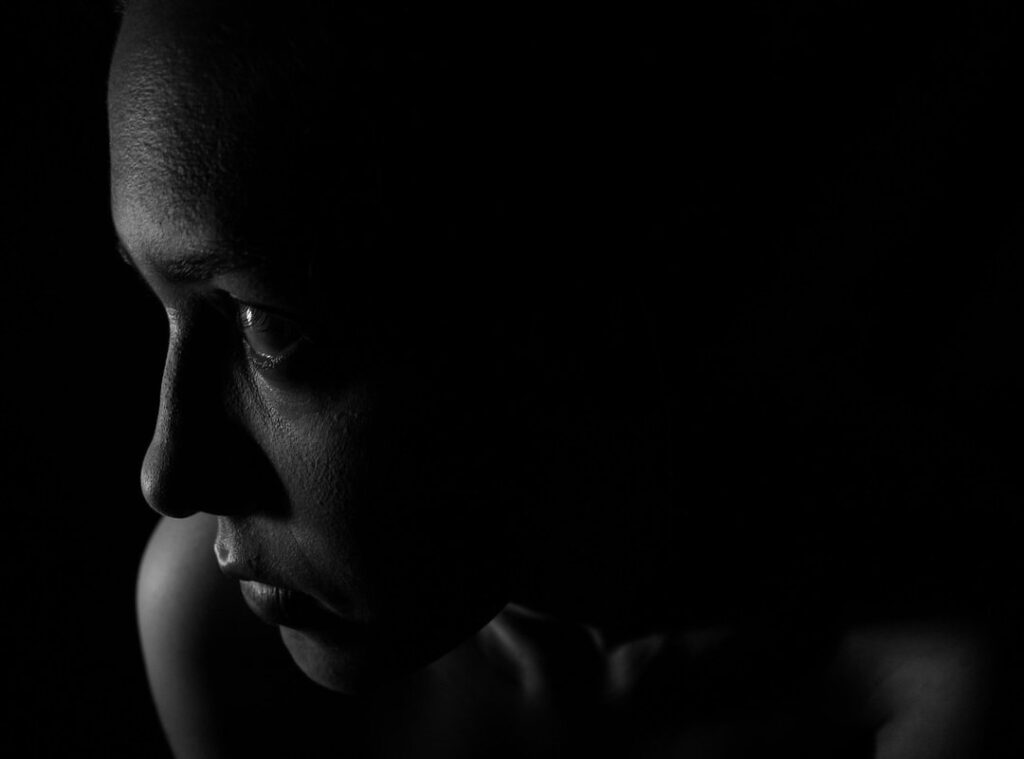
You’ve likely seen them on TikTok or Instagram—profiles with black and white photos, melancholic quotes, and a generally somber aesthetic. This is what’s known as a perfil usuario triste or a “sad user profile.” I’m here to break down what these profiles are, the psychology behind why people create them, and how to craft one if you’re drawn to the aesthetic. We’ll cover everything from the visual elements to the deeper meanings behind this online trend.
The Key Elements of a ‘Sad User Profile’
Let’s break down the anatomy of a perfil usuario triste, starting with the Profile Picture. You’ll often see blurry photos, black and white images, or anime characters looking down. Sometimes, it’s a picture taken in the rain.
The Bio is where things get really interesting. People use cryptic song lyrics or short, poignant quotes like “just existing.” A single evocative emoji, such as a black heart or a wilted rose, can say it all.
The Username is another key element. Common patterns include using lowercase letters only, incorporating words like “lonely,” “lost,” or “empty.” Random numbers and symbols add to the detached feel.
Now, let’s talk about the Content Feed. Posts often feature moody cityscapes at night, rain-streaked windows, or text-based posts with sad poetry. It’s like a visual diary of melancholy.
Here are a couple of examples to illustrate:
Username: lost_in_thought_99
Bio: “and the world keeps spinning”
Username: _empty_soul_42
Bio: ????
These profiles are more than just a collection of sad elements. They’re a reflection of a deeper emotional state, much like the mood in a movie scene or a song that hits you right in the feels.
Why People Create Sad-Themed Profiles: More Than Just a Vibe
I remember when I first saw a friend’s social media profile filled with moody, grayscale photos and melancholic quotes. It was a stark contrast to the usual cheerful posts. Genuine self-expression is often the primary motivation.
For many, it’s a safe way to outwardly express feelings of sadness, loneliness, or melancholy they might not feel comfortable sharing offline.
The ‘Aesthetic Trend’ aspect is also significant. It’s a form of digital art or personal branding, similar to other aesthetics like ‘cottagecore’ or ‘dark academia.’ It’s about curating a specific mood.
Having a sad profile can help users connect with others who feel the same way. This creates a sense of belonging and shared understanding.
There’s a fine line between expressing emotion and potentially glorifying it as a desirable aesthetic. This is a point of debate online. Some argue that romanticizing sadness can be harmful, while others see it as a valid form of expression.
Contrast this with ‘sadfishing,’ which is often seen as a manipulative bid for attention. A perfil usuario triste is usually about personal expression, not seeking sympathy or validation in a deceptive way.
In the end, these profiles are more than just a vibe. They’re a reflection of real emotions and a way to find community.
How to Build Your Own Aesthetic ‘Sad User Profile’
When I first tried to create a perfil usuario triste, I made a lot of mistakes. My profile was all over the place, and it didn’t feel cohesive at all. Here’s what I learned. perfil usuario triste
Choosing a Profile Picture
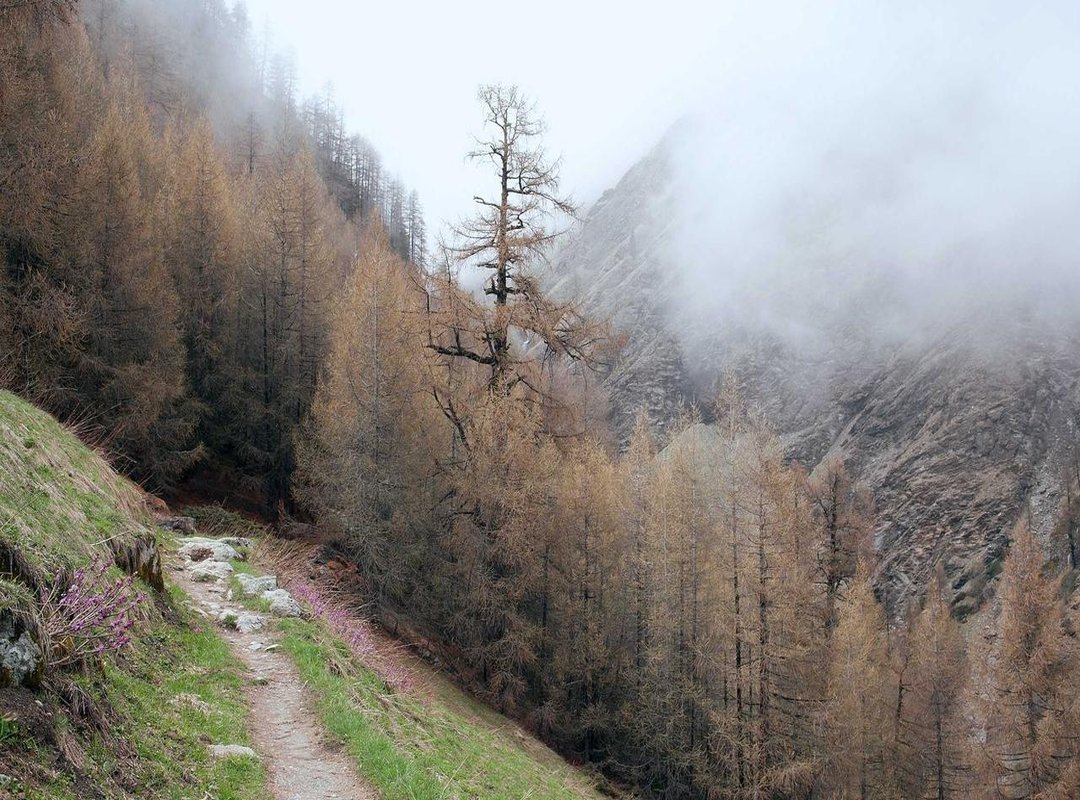
First, pick a profile picture that sets the tone. Monochrome or low saturation filters work well. Subjects like obscured faces, empty spaces, or nature can evoke the right mood.
I once used a bright, colorful photo, and it just didn’t fit. Stick to something more subdued.
Writing the Bio
Your bio is your chance to make a statement. Formulas like ‘[Song Lyric] + [Single Emoji]’ or ‘[Vague Statement] + [Zodiac Sign]’ can be effective. For example, “Lost in the stars ????” or “Wandering soul ♓️.” I used to write long, detailed bios, but they were too much.
Keep it short and evocative.
Here are some quotes you can use:
– “Silent tears, silent fears.”
– “Finding solace in solitude.”
– “Whispers of the wind.”
– “Echoes of the past.”
– “Fading memories.”
Creating a Fitting Username
Your username should be memorable and on-theme. Combine a melancholic word with a random object or number. Examples include ‘ghostly.cassette’ or ‘november.rain_’.
I once had a username that was just my name, and it felt so generic. Make it unique.
Curating Your Feed
Consistency is key. Use a color palette of grays, blues, and blacks. Content types like blurry photos, quotes on a plain background, and screenshots from sad movies work well.
I used to post whatever I felt like, and it looked chaotic. Now, I stick to a theme, and it makes a big difference.
Emphasizing Consistency
The key to a successful aesthetic profile is consistency. Ensure all elements—from the bio to the story highlights—work together. I learned this the hard way.
When everything aligns, it creates a cohesive and impactful mood.
Aesthetic Choice vs. A Cry for Help: Recognizing the Difference
I get it, and it’s tough to tell the difference sometimes. While a perfil usuario triste might just be a stylistic choice, it can also signal genuine distress.
Look for key differentiators. Trend-followers often curate their content to look aesthetic and polished. Someone in real distress may post more erratic, directly concerning, or alarming content.
Pay attention to explicit language. There’s a big difference between a sad quote from a song and direct statements about self-harm, hopelessness, or saying goodbye.
If you’re genuinely concerned about a friend, reach out privately and non-judgmentally. A simple message like, “Hey, I saw your post and just wanted to check in and see if you’re okay,” can make a huge difference.
The Meaning Behind the Melancholy
A perfil usuario triste is a multifaceted online trend. It can embody an artistic aesthetic, a means to connect with others, or a genuine outlet for emotions. Understanding the motivations behind this trend is more crucial than passing judgment on the profile.
Behind every profile, whether it’s part of an aesthetic or not, is a real person. Use your online spaces for authentic self-expression. Also, be mindful and supportive of others in the digital community.
 Irmaneliah Dunlp has opinions about trend tracker. Informed ones, backed by real experience — but opinions nonetheless, and they doesn't try to disguise them as neutral observation. They thinks a lot of what gets written about Trend Tracker, Expert Breakdowns, Skincare Routine Innovations is either too cautious to be useful or too confident to be credible, and they's work tends to sit deliberately in the space between those two failure modes.
Reading Irmaneliah's pieces, you get the sense of someone who has thought about this stuff seriously and arrived at actual conclusions — not just collected a range of perspectives and declined to pick one. That can be uncomfortable when they lands on something you disagree with. It's also why the writing is worth engaging with. Irmaneliah isn't interested in telling people what they want to hear. They is interested in telling them what they actually thinks, with enough reasoning behind it that you can push back if you want to. That kind of intellectual honesty is rarer than it should be.
What Irmaneliah is best at is the moment when a familiar topic reveals something unexpected — when the conventional wisdom turns out to be slightly off, or when a small shift in framing changes everything. They finds those moments consistently, which is why they's work tends to generate real discussion rather than just passive agreement.
Irmaneliah Dunlp has opinions about trend tracker. Informed ones, backed by real experience — but opinions nonetheless, and they doesn't try to disguise them as neutral observation. They thinks a lot of what gets written about Trend Tracker, Expert Breakdowns, Skincare Routine Innovations is either too cautious to be useful or too confident to be credible, and they's work tends to sit deliberately in the space between those two failure modes.
Reading Irmaneliah's pieces, you get the sense of someone who has thought about this stuff seriously and arrived at actual conclusions — not just collected a range of perspectives and declined to pick one. That can be uncomfortable when they lands on something you disagree with. It's also why the writing is worth engaging with. Irmaneliah isn't interested in telling people what they want to hear. They is interested in telling them what they actually thinks, with enough reasoning behind it that you can push back if you want to. That kind of intellectual honesty is rarer than it should be.
What Irmaneliah is best at is the moment when a familiar topic reveals something unexpected — when the conventional wisdom turns out to be slightly off, or when a small shift in framing changes everything. They finds those moments consistently, which is why they's work tends to generate real discussion rather than just passive agreement.