
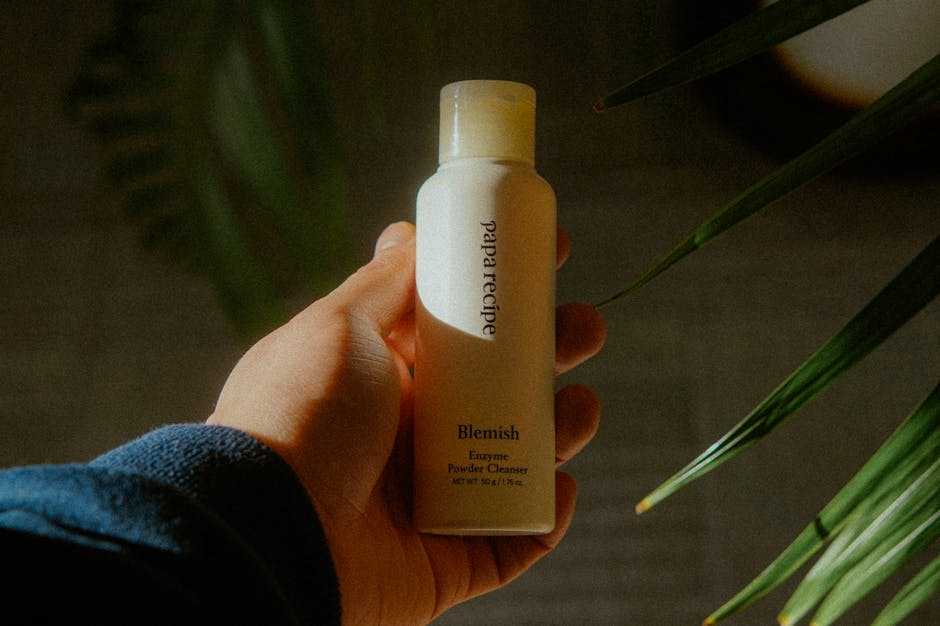
What Sets Enzymes Apart from Traditional Exfoliants
Exfoliation breaks down into three main types: physical, chemical, and enzymatic. Physical exfoliants are your scrubs gritty textures that manually slough off dead skin. They’re everywhere, from drugstore face washes to upscale masks. But they come with risk: micro tears, inflammation, and long term skin barrier damage if used too often or too roughly.
Chemical exfoliants go deeper. Think AHAs (like glycolic acid) and BHAs (like salicylic acid). These dissolve the bonds between skin cells, speeding up cell turnover. Effective, yes but they can sting, strip, and sensitize, especially if you’re dealing with reactive or delicate skin.
Enzymatic exfoliation is a different approach. It uses fruit derived enzymes papaya, pineapple, pumpkin to gently digest only the dead skin cells sitting on the surface. No scrubbing. No acid burn. No trauma to living tissue. It’s precise, passive, and much less likely to trigger irritation.
That’s what makes enzymes ideal for sensitive, easily irritated, or compromised skin types. If your skin flares up from acids or feels raw after a facial scrub, enzymes give you the glow without the fallout.
How Enzymes Work on Your Skin
Enzymes are nature’s cleanup crew. They work by breaking down the proteins that hold dead skin cells to the surface, releasing them without force or friction. Unlike scrubs or harsher acid peels, enzyme exfoliants don’t damage the living layers underneath. This makes them ideal for beginners, sensitive skin types, or anyone who’s overdone it with AHAs and BHAs.
Most of the enzymes used in skincare come from fruits papain from papayas, bromelain from pineapples, and enzymes from pumpkin extract are the most common. These biological ingredients are smart: they recognize only the dead surface cells and leave healthy skin alone.
The result? A smoother surface without irritation, redness, or barrier disruption. No flakes, no sting, no downtime. Just clearer, more resilient skin especially when used regularly. If you’re looking for a way to exfoliate without the usual risks, fruit enzymes are your low drama solution.
Skin Benefits That Go Beyond Exfoliation
Enzyme exfoliants aren’t just about sloughing off dead skin they work subtly and steadily to upgrade your skin tone and texture over time. With consistent use, enzyme based products can help reveal a brighter, more even complexion without the usual redness or sensitivity that comes with harsher exfoliants. This isn’t instant gratification. It’s slow gain, real results.
What makes enzymes different is their support for your skin’s natural balance. Unlike abrasive scrubs or aggressive acids, they won’t disrupt the microbiome. Maintaining a healthy mix of skin flora matters not just for clarity, but for hydration and long term skin resilience. Put simply: calm skin stays hydrated better.
Another quiet win? Product absorption. When surface cells are no longer in the way, serums and moisturizers don’t just sit on top they get in where they’re needed. So if you’re layering peptides or antioxidants, enzymes help you get the most out of them without doing the most.
Smart, subtle, steady enzyme care is about what your skin keeps just as much as what it sheds.
Enzyme Exfoliation and Fermented Actives: A Smart Pairing
Enzymes and fermented ingredients aren’t just trendy buzzwords they actually work well together. Enzymes handle the surface, breaking down dead skin cells without being too harsh. Meanwhile, fermented ingredients penetrate deeper, delivering nutrients more efficiently and supporting long term skin health.
The shared benefit? Both are gentle. Instead of irritating the skin or over exfoliating, this combo promotes steady renewal without wrecking your barrier. Skin feels smoother, looks brighter, but stays calm.
Fermentation takes actives and makes them more bioavailable. That means your skin can absorb and use them better. When paired with enzymes, you get a skincare routine that works smarter, not harder.
Want a deeper look into why this pairing works on a biological level? Explore Fermented Skincare Explained.
Choosing the Right Enzyme Product
Not all enzyme exfoliants are created equal. When scanning ingredient labels, skip the marketing fluff and look directly for the actives. You’re typically looking for things like papaya extract (papain), pineapple extract (bromelain), pumpkin enzyme, or kiwi water. These aren’t just filler ingredients they’re the functional core of real, effective enzyme exfoliation.
Some products might label them as “fruit enzymes” or use terms like “proteolytic enzymes.” That’s fine, but always back it up by checking if the actual source (like Carica papaya extract) shows up early in the list. Ideally, these enzymes appear within the first 5 7 ingredients if they’re doing the heavy lifting.
As for how to use them, moderation works best. Start with 1 3 times per week, especially if you’re new to exfoliation. Enzymes are gentle, but they’re still active. You don’t need to layer them on top of acids or scrubs doing so risks irritation. If you’re using actives like retinol, vitamin C, or AHAs, buffer them well or rotate their use on different days.
Layer enzyme exfoliants before serums and moisturizers. They’re good at clearing the path for deeper absorption. But again don’t overthink it. Keep it simple. Gentle doesn’t mean weak. It just means smarter.
Final Word: Why It’s More Than a Trend
Skin barrier health isn’t just a skincare buzzword it’s become a non negotiable for anyone serious about long term results. More people are turning away from aggressive exfoliants and harsh actives, especially those with acne prone, aging, or reactive skin. Enzyme based exfoliation fits squarely into this shift. It offers a controlled, minimal irritation approach that doesn’t compromise the skin’s protective layer.
This move toward gentler skincare is backed by research. Science now points to the skin barrier as central to nearly every major skin concern from dehydration to chronic breakouts. Enzymes support this by working with the skin, not against it, helping to clear out dead cells while leaving the vital structure intact.
What makes the trend stick beyond the hype? It’s the results. Clearer skin, fewer flare ups, and better tolerance with continued use. It’s skincare with a plan, not just a one time fix.
For deeper insight into how enzymes complement bioactive skincare, see:
Fermented Skincare Explained
 Rendric Drevayne is the kind of writer who genuinely cannot publish something without checking it twice. Maybe three times. They came to luviza beauty basics through years of hands-on work rather than theory, which means the things they writes about — Luviza Beauty Basics, Skincare Routine Innovations, Cosmetic Ingredient Spotlights, among other areas — are things they has actually tested, questioned, and revised opinions on more than once.
That shows in the work. Rendric's pieces tend to go a level deeper than most. Not in a way that becomes unreadable, but in a way that makes you realize you'd been missing something important. They has a habit of finding the detail that everybody else glosses over and making it the center of the story — which sounds simple, but takes a rare combination of curiosity and patience to pull off consistently. The writing never feels rushed. It feels like someone who sat with the subject long enough to actually understand it.
Outside of specific topics, what Rendric cares about most is whether the reader walks away with something useful. Not impressed. Not entertained. Useful. That's a harder bar to clear than it sounds, and they clears it more often than not — which is why readers tend to remember Rendric's articles long after they've forgotten the headline.
Rendric Drevayne is the kind of writer who genuinely cannot publish something without checking it twice. Maybe three times. They came to luviza beauty basics through years of hands-on work rather than theory, which means the things they writes about — Luviza Beauty Basics, Skincare Routine Innovations, Cosmetic Ingredient Spotlights, among other areas — are things they has actually tested, questioned, and revised opinions on more than once.
That shows in the work. Rendric's pieces tend to go a level deeper than most. Not in a way that becomes unreadable, but in a way that makes you realize you'd been missing something important. They has a habit of finding the detail that everybody else glosses over and making it the center of the story — which sounds simple, but takes a rare combination of curiosity and patience to pull off consistently. The writing never feels rushed. It feels like someone who sat with the subject long enough to actually understand it.
Outside of specific topics, what Rendric cares about most is whether the reader walks away with something useful. Not impressed. Not entertained. Useful. That's a harder bar to clear than it sounds, and they clears it more often than not — which is why readers tend to remember Rendric's articles long after they've forgotten the headline.